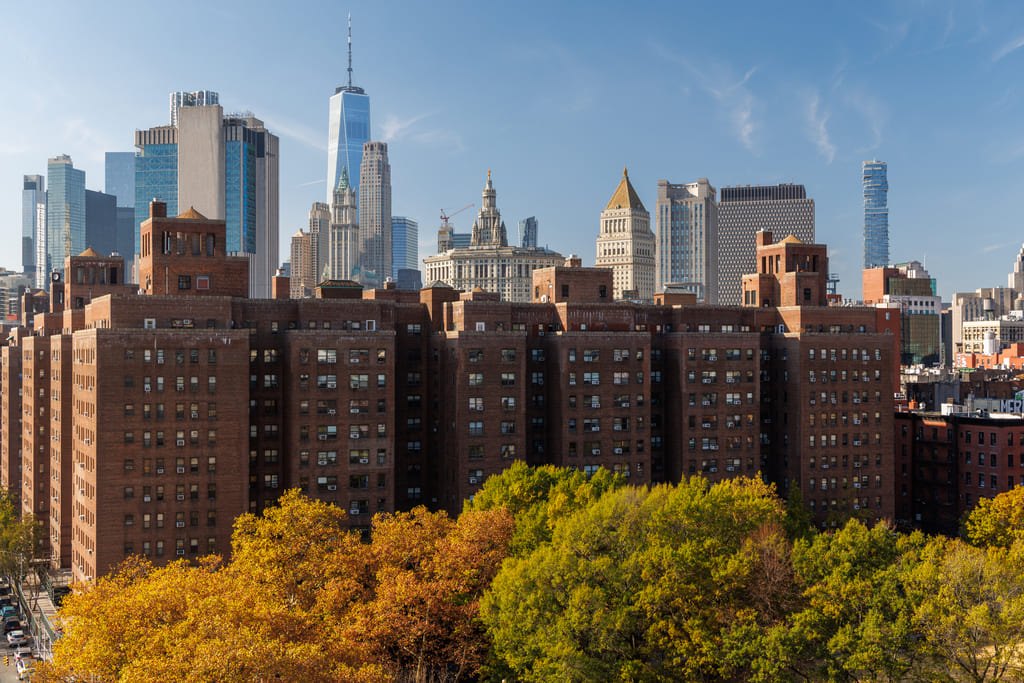
A three-month stay in Tokyo or New York puts you in a bit of a bind: sign a lease for one or two years, or spend your first few weeks there furnishing an apartment you’ll use only temporarily.
For international professionals, remote workers, and corporate travelers, finding a place for a month or more comes with a few challenges. Tokyo’s traditional rentals often involve two-year leases and hefty upfront fees, while NYC landlords typically look closely at your income, credit history, and employment before approving an application.
Monthly furnished rentals offer another option in both cities. You can move into a ready-to-live-in apartment without committing to a traditional long-term lease or setting up an entire home.
Here’s how renting in Tokyo vs. NYC compares when you need a place to stay for 30 days or longer.
Renting in Tokyo vs NYC: The Main Differences
Both cities have established rental markets, but their traditional leasing processes work differently. Tokyo renters usually encounter higher move-in costs, while NYC landlords tend to focus more on income and credit checks. Rental terms and requirements vary by property and provider, though furnished rental companies often offer a simpler application and booking process for shorter stays.
| Rental Consideration | Tokyo | NYC |
| Typical lease length | 2 years | 12 months |
| Security deposit | Usually 1–2 months’ rent | Up to 1 month’s rent |
| Other upfront costs | Key money, agency fees, guarantor fees, & advance rent | Possible broker fees and advance rent |
| Application requirements | Identification, proof of income, sometimes a Japanese guarantor | Income, credit history, employment, & references |
| Furniture | Usually unfurnished | Furnished & unfurnished options |
Renting an Apartment In Tokyo
Tokyo’s traditional rental market is largely built around long-term tenants. Most standard apartment contracts run for two years, which works well if you’re relocating permanently, but may not make sense for a three-month work assignment.
Moving in can also be expensive. Initial costs may include:
- Shikikin (security deposit): Usually one to two months’ rent, refundable after eligible deductions
- Reikin (key money): A non-refundable payment to the landlord, typically zero to two months’ rent
- Agency fees: Usually equivalent to one month’s rent plus tax
- Other charges: Advance rent, insurance, and guarantor company fees may also apply
These expenses can add up to several months’ rent before you’ve even moved in.
The paperwork presents another challenge for international renters. Some landlords require a Japanese guarantor or guarantor company, while rental applications and contracts are often written in Japanese. You’ll also need to arrange furniture, appliances, utilities, and internet if you choose a traditional unfurnished apartment.
Pros of Traditional Renting in Tokyo
- Suitable for people planning to settle in Tokyo long-term
- Access to a wide selection of apartments and neighborhoods
- Conventional residential rental arrangements
Cons of Traditional Renting in Tokyo
- High initial costs can add up quickly
- Two-year contracts may not suit temporary stays
- Furniture, appliances, and the internet may need separate arrangements
- Guarantor requirements and Japanese paperwork can complicate applications
For shorter stays, monthly furnished rentals offer an alternative. You can find a 30-day apartment rental in Tokyo without committing to a standard two-year lease or buying household essentials.
Explore Anyplace’s furnished apartments in Tokyo for stays of 30 days or longer.
Find an Apartment That Fits Your Work Assignment
Explore furnished Tokyo apartments for consultants and project-based professionals who need flexible stays without long-term lease commitments.
Explore Your OptionsRenting an Apartment In NYC
New York’s rental process comes with a few things to prepare for. Most traditional leases run for 12 months, though shorter options are available. Landlords will also want to check your income, employment, credit history, and sometimes references from previous landlords.
This can be challenging for international renters who haven’t established a US credit history or don’t have local references.
Upfront costs work differently from Tokyo. New York State law limits residential security deposits to one month’s rent. Broker fees are another consideration, but the rules have changed. Since June 11, 2025, NYC’s Fairness in Apartment Rental Expenses (FARE) Act has prohibited landlords from passing the fees of their hired brokers on to tenants. You may still pay a broker you choose to hire yourself.
If you rent an unfurnished apartment, you’ll also need to arrange furniture, utilities, and internet. Getting everything ready can take time, especially if you’re only in the city for a temporary work assignment.
Pros of Traditional Renting in NYC
- A well-established rental market with apartments across different neighborhoods and price points
- Security deposits are capped at one month’s rent
- A broad selection of furnished and unfurnished apartments
Cons of Traditional Renting in NYC
- Credit and income screening can challenge international applicants
- A 12-month lease may be too long for temporary stays
- Furniture and utility setup add time and expense
- Broker fees may still apply in some situations
Furnished monthly apartments offer another option for professionals who want a residential space without committing to a year-long lease.
Browse Anyplace’s furnished apartments in NYC to explore available options.
30+ Days Renting in Tokyo vs. NYC: Which City Is Easier?
Neither traditional rental market is particularly suited to someone who needs an apartment for just one to six months. Here’s how renting in Tokyo vs NYC compares for temporary stays of up to half a year.
Lease Flexibility
Traditional rentals favor longer commitments in both cities. Tokyo commonly uses two-year contracts, while NYC apartments typically require a 12-month lease. Monthly furnished rentals are better suited to shorter assignments or stays with flexible end dates.
Application Requirements
Tokyo’s guarantor requirements and Japanese-language paperwork can slow down applications from international renters. In NYC, credit checks and income requirements can be challenging if you don’t have an established financial history in the US.
Furnished rental providers may offer a more straightforward booking process in either city.
Upfront Costs
Moving into an apartment in Tokyo can mean paying a few fees upfront, including a security deposit, key money, agency fees, and guarantor costs. NYC is a little different. Security deposits are limited to one month’s rent, though you may still need to pay a broker fee in some cases.
Furniture and Work Setup
An unfurnished apartment means arranging for a bed, appliances, kitchen equipment, and internet. That can be a lot of work for a temporary stay.
A furnished apartment in Tokyo for a long stay, for example, can save you from buying household essentials you’ll only use for a few months. The same applies in NYC. For remote workers and business travelers, having a dedicated workspace and reliable internet also makes settling in much easier.
If you’re staying for 30 to 90 days, a furnished apartment can reduce the time and effort involved in getting settled in either city.
A Simpler Way to Rent in Tokyo and NYC with Anyplace
Anyplace offers furnished apartments for 30 days or longer, so you don’t have to commit to a traditional long-term lease.
You’ll find everything you need to feel at home and get work done — a dedicated home office, an ergonomic chair, private high-speed internet, a stocked kitchen, appliances, and in-unit laundry.
You can book online, too. And if your plans change, you can request an extension.
One thing to keep in mind: what’s included in your monthly rate depends on the city.
- Tokyo: Utilities and internet are billed separately at a fixed monthly rate.
- NYC: Utilities and internet are already included in the monthly rate.
Whether you’re looking for a short-term furnished apartment in Tokyo or a place in Manhattan, you can find a space that works for your stay and your daily routine.
Find a Place That Fits Your Stay
When comparing renting in Tokyo vs NYC, think about how long you’ll be staying and how much time you want to spend getting settled. Traditional rentals make sense if you’re planning to stay long term. But if you’re only in the city for a few months, a furnished apartment gives you more flexibility without the hassle of setting up an entire home.
With Anyplace, you can move into a furnished, work-ready apartment for 30 days or longer, without having to set up an entire household.
Find Your Next Furnished Apartment in NYC
Stay in NYC for 30+ days in a furnished apartment with a dedicated workspace, high-speed internet, and utilities included.
Browse NYC Apartments