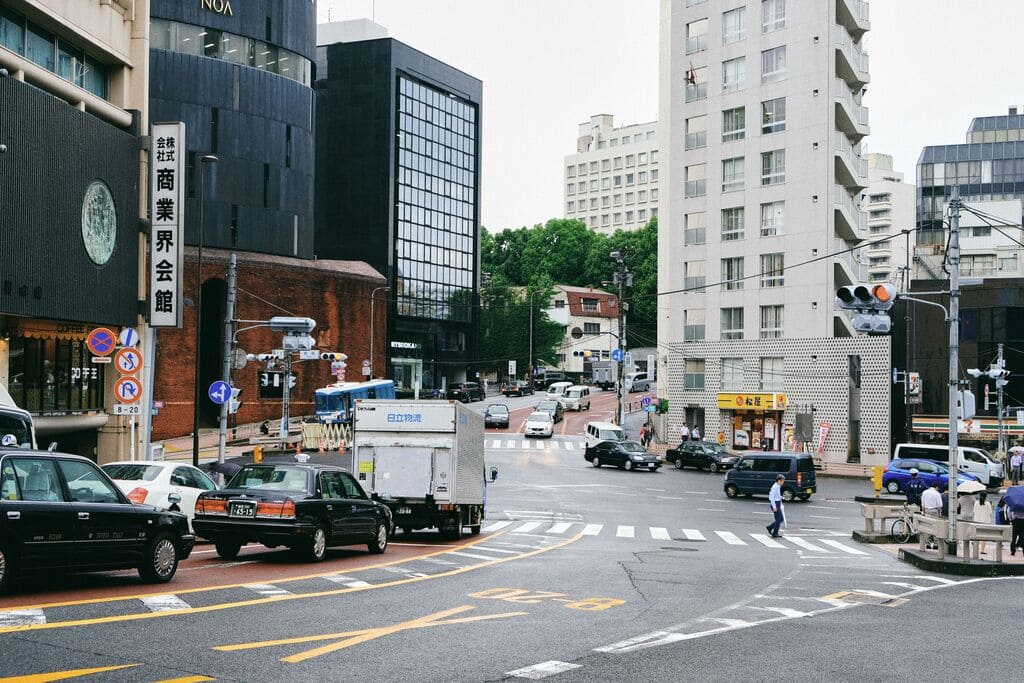
A traditional two-year lease can be impractical if you’re moving to Tokyo for a temporary work assignment or aren’t sure how long you’ll stay. If you need a Tokyo apartment without a 2-year lease, consider monthly rentals, mid-term furnished apartments, short-term accommodation, or serviced apartments.
Each option comes with different costs, amenities, and contract terms. The best fit depends on your timeline, budget, and whether you need a home that’s ready for work from day one.
Do You Need a 2-Year Lease to Rent an Apartment in Tokyo?
No. Although two-year contracts are common for conventional residential rentals in Japan, you can find shorter arrangements.
Traditional rentals may require a security deposit (shikikin), key money (reikin), agency fees, and guarantor-related arrangements. You’ll also need to consider furniture, appliances, utilities, and internet.
Furnished monthly rentals can offer a simpler move-in process and shorter stays. However, fees and eligibility requirements vary by provider. If you’re looking for a Tokyo apartment without a 2-year lease, compare the full contract and total cost rather than assuming every flexible rental has the same terms.
Compare Your Rental Options in Tokyo
| Rental Option | Stay Duration | Furnished? | Main Advantage | Best For |
| Short-Term Rental | A few days to several weeks (or 30+ days depending on the platform) | Usually | Convenient for brief visits | Business trips & short projects |
| Monthly Rental | Often 30 days or longer | Often | A home for a defined period | Temporary work assignments |
| Mid-Term Furnished Apartment | Several weeks to months | Usually | Ready-to-use living & work space | Relocations & remote work |
| Serviced Apartment | Nights to months | Yes | May include hotel-style services | Travelers who want additional support |
| Traditional Lease | Commonly two years | Usually unfurnished | Long-term residential stability | Permanent moves |
Monthly rentals and mid-term furnished apartments often describe similar arrangements. In Japan, monthly mansion rentals are commonly furnished apartments offered for stays of a month or longer. “Mid-term rental” is a broader description rather than a separate legal category, so check the actual minimum stay and contract conditions.
The timeframes above are general guidelines. Providers may offer overlapping options, and availability varies by property.
Planning a 3–6 Month Stay in Tokyo?
Rent is only part of your budget. Learn about housing costs, utilities, upfront fees, and everyday expenses before you move.
EXPLORE THE COST OF LIVING IN TOKYOUnderstand the Trade-Offs of Each Rental Type
Short-Term Rentals
Short-term accommodation works well for business trips, temporary projects, and visits lasting days or weeks. You can avoid setting up a conventional home and focus on your immediate plans.
The main drawback is cost over time. Nightly rates can become expensive during longer visits, and some properties offer limited cooking facilities or workspace. If your stay may extend beyond a few weeks, compare the total cost with a monthly rental before booking.
Monthly Rentals
Monthly rentals provide a place to live for a set period without requiring the standard two-year commitment associated with many conventional leases. Furnished options can reduce the time and money spent buying household essentials.
If you’re searching for a short-lease apartment in Japan, check the minimum booking period, extension options, cancellation policy, and fees. Some providers have simpler application processes than traditional landlords, but deposits, guarantor requirements, and other charges may still apply.
Mid-Term Furnished Apartments
Mid-term furnished apartments can suit stays lasting several months, particularly when you need a comfortable home rather than temporary sleeping accommodations. A kitchen, laundry facilities, and dedicated workspace can make everyday routines easier.
For remote employees and corporate travelers, a flexible lease in Tokyo can be useful when a project timeline is uncertain. Before committing, confirm how extensions work and whether leaving early triggers additional charges.
Serviced Apartments
Serviced apartments combine private living space with hotel-style conveniences. Depending on the property, services may include housekeeping, reception, or concierge assistance.
These features can be helpful if you prefer additional support while settling into Tokyo. However, included services and rates differ widely. Compare what the price covers and whether you genuinely need those extras.
Traditional Leases
A conventional lease may be more suitable if you’re establishing a permanent home and expect to remain in Tokyo for years. It can give you greater freedom to furnish and arrange your living space to suit your preferences.
The trade-off is the initial setup. In addition to possible deposits, key money, agency fees, and guarantor arrangements, you may need to buy furniture and arrange utilities. Consider these expenses alongside the monthly rent when comparing options.
Which Rental Option Fits Your Situation?
You’re Staying for a Few Weeks
Short-term accommodation or a serviced apartment may be the simplest choice. Prioritize location, total cost, and convenience. If you’ll work remotely, check internet access and workspace before booking.
You’re Working in Tokyo for Several Months
A furnished monthly or mid-term apartment can provide more room for a regular routine. A private kitchen, in-unit laundry, and a proper desk can make an extended assignment more comfortable than staying in a hotel.
This setup may suit remote workers, corporate employees, traveling healthcare professionals, and people working on temporary projects.
Your Relocation Timeline Is Uncertain
Moving dates can change, and temporary assignments can run longer than expected. Look for flexible rental terms in Tokyo that clearly explain extensions, cancellations, and early departures.
An apartment in Tokyo with no lease commitment may sound ideal, but flexible housing still involves a contract. Check the minimum stay and notice period before booking so you understand your options if plans change.
For professionals seeking a Tokyo apartment without a 2-year lease, furnished monthly housing can provide time to settle in before choosing a permanent home.
You’re Moving Permanently
A traditional lease may be worth considering if you know where you want to live and expect to stay long term. If you’re still deciding on a neighborhood, temporary accommodation can give you time to compare commute times, amenities, and daily living costs before signing a longer contract.
What to Check Before Choosing a Flexible Tokyo Rental
Before you book, review the contract and calculate the full cost of your intended stay.
- Minimum stay and extensions: Confirm the required booking period, renewal process, and any extension fees.
- Upfront costs: Ask about deposits, cleaning fees, agency fees, key money, and guarantor requirements. Some furnished rentals have fewer initial requirements than conventional leases, but this isn’t guaranteed.
- Furniture and appliances: Confirm what’s provided, including kitchen equipment and household essentials.
- Utilities and internet: Check whether electricity, gas, water, and internet are included or charged separately. Ask how any fixed monthly utility rate is calculated and whether usage limits apply.
- Workspace: Look for a proper desk, a comfortable chair, reliable internet, and enough privacy for calls.
- Laundry and layout: Confirm whether the apartment has an in-unit washing machine and enough space for your daily routine.
- Cancellation policy: Understand the notice period and any charges for leaving before your booking ends.
For remote workers, workspace and internet quality deserve as much attention as location. Compare the total cost of each option, including setup expenses and additional fees, rather than judging by the advertised rent alone.
A Flexible, Work-Ready Alternative for Longer Tokyo Stays
Anyplace offers furnished apartments in Tokyo for stays of 30 days or longer. This can be an option for professionals who want a ready-to-use home without committing to a conventional long-term lease.
Apartments include a dedicated workspace with a desk and ergonomic chair, private high-speed internet, a stocked kitchen, household appliances, and in-unit laundry. These features help you settle in without having to furnish an entire apartment yourself.
Utilities and internet are billed separately at a fixed monthly rate. Concierge support and building amenities may also be available, depending on the property. Review the listing and booking terms to confirm the details for your chosen apartment.
Choose the Tokyo Rental That Matches Your Timeline
Traditional leases can work well for permanent moves, while short-term and serviced accommodations suit brief visits. Monthly and mid-term furnished apartments can offer a practical alternative for professionals staying several weeks or months.
If you need a Tokyo apartment without a 2-year lease, consider your expected stay, upfront costs, and work-from-home needs. Anyplace offers furnished apartments for stays of 30 days or longer, with dedicated workspaces and private high-speed internet.
Find a Tokyo Apartment Without a 2-Year Commitment
Need a furnished home without a traditional long-term lease? Explore Anyplace apartments for stays of 30 days or longer.
Explore Tokyo Apartments