Tokyo has become a popular base for remote workers. It’s safe, with a rich culture and a high standard of daily life. However, living and working in the city for foreigners requires the right visa.
If you plan to stay up to six months, you can apply for the digital nomad visa. This visa lets you work for an employer or clients based outside of Japan.
Once you have the visa, it’s time to choose where to live. You’ve got a full work schedule and 23 unfamiliar wards to choose from. The right one depends on your workday. Some wards are perfectly quiet for calls, while others put cafes and coworking within walking distance.
We’ve selected seven of the best neighborhoods in Tokyo for remote workers, outlining what each is good for and how to choose between them.
The Best Neighborhoods in Tokyo for Remote Workers
We judged these Tokyo neighborhoods for remote work on the same points. Each one has reliable internet, a strong mobile signal, and quiet streets during work hours.
The best neighborhoods also need fast access to Tokyo, Shinagawa, and Shinjuku stations, plus walkable cafes, coworking spaces, English-language services, and international grocery stores. This is what most international professionals look for when choosing a base in the city.
But if a short commute to the office districts is your main concern, our guide to the Tokyo neighborhoods with the best access to business districts goes deeper on that.
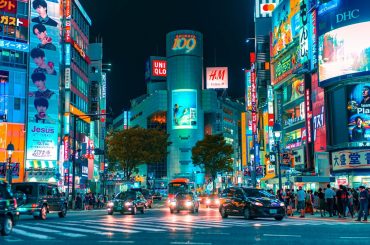
1. Shibuya
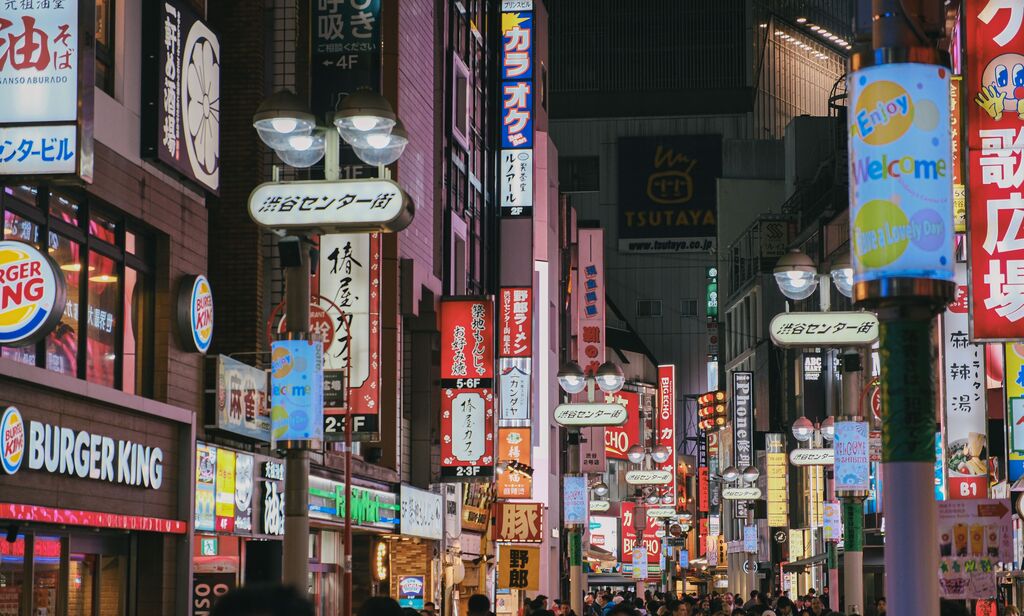
Shibuya is one of Tokyo’s tech centers, and is usually busiest at night and on the weekends. On a weekday morning, the crowd is mostly commuters.
The neighborhood has a lot of cafes, but the popular ones near the station get crowded, especially during peak hours. Not every cafe has free Wi-Fi, and the connection can be slow.
If you plan to work here, coworking is usually the better option. There are plenty of spaces nearby, and since most of them run on membership, they rarely feel packed.
Shibuya is a good fit if you want a dense, walkable area and don’t mind busy streets.
- Shinjuku and Shinagawa are a direct ride away on the Yamanote line
- Home to the Yamanote, Ginza, Hanzomon, and Fukutoshin lines, plus Tokyu and Keio out of the city
- Dense cluster of coworking spaces and laptop-friendly cafes
- You can use English at most shops and restaurants
2. Ebisu
One stop south of Shibuya, Ebisu is more relaxed and upscale. The residential streets are quiet on weekdays, and busiest around Yebisu Garden Place and the station. It’s known by locals for some of Tokyo’s best food, and you can work from the cafes, too.
Ebisu has Shibuya’s access without the crowds. You’re on the same Yamanote line, so Shinjuku and Shinagawa are nearby, and the Hibiya line reaches central Tokyo.
- Four lines through the station, including the Yamanote and Hibiya
- One stop to Shibuya, and a direct Yamanote ride to Shinagawa and Shinjuku
- Quiet residential streets
- Many cafes and restaurants, plus Yebisu Garden Place for green space
- Historically popular with foreign residents due to English-speaking health clinics and international schools nearby
3. Nihonbashi
An old finance and merchant district, Nihonbashi is right next to Tokyo Station. On weekdays it’s full of office workers, busy at lunch and empty by evening. The streets are orderly and quiet enough for calls, with new cafes opening between the old shops.
This neighborhood is one of the best for remote workers who want a quiet, central base, with Tokyo Station and the Shinkansen a short walk away for the days you travel.
- Walking distance to Tokyo Station, and the Ginza, Tozai, and Asakusa subway lines
- The crowds are gone by evening, but it’s good for focused daytime work
- Department-store food halls (depachika) for groceries and prepared meals
4. Shibakoen
Shibakoen is the district around one of Tokyo’s oldest parks, Shiba Park, with Tokyo Tower at its edge. It’s full of green space and temple grounds, so weekdays are quiet. You’re central and well connected, but the streets are residential.
Shibakoen is part of Minato, home to most of Tokyo’s embassies and the ward most popular with expats. English-speaking health clinics, international schools, and an expat grocery store are close by.
This neighborhood is nice if you want green space and enough quiet for calls and focus, without leaving the center.
- Mita line to Otemachi and the Tokyo Station area in about 7 minutes
- Hamamatsucho (JR Yamanote) is a short walk away for Shinagawa and the wider loop
- Shiba Park and Tokyo Tower for walks and breaks
- Tree-lined residential streets
5. Shibaura
On the bay just east of Tamachi station, Shibaura is a redeveloped waterfront of canals and residential towers with water views and walking paths you won’t find in most of central Tokyo. The area is mostly residential and quiet through the workday.
It’s a great fit if you work from home and want somewhere peaceful by the water. Tamachi is two stops from Shinagawa on the Yamanote line, which also reaches Tokyo Station.
- Tamachi station (Yamanote and Keihin-Tohoku lines), two stops to Shinagawa
- Waterfront paths and the Rainbow Bridge nearby
- Newer residential buildings with reliable connectivity
- Local cafes for a different place to work
6. Yotsuya
An old samurai district between Shinjuku and the Akasaka Imperial grounds, Yotsuya is next to Sophia University. Weekdays are calm, with four train lines running through Yotsuya station.
That combination makes it one of the best neighborhoods in Tokyo for remote workers who want a quiet base with easy access across the city.
- JR Chuo (Rapid), Chuo-Sobu, Marunouchi, and Namboku lines
- Direct Chuo line to Shinjuku and Tokyo Station, no transfers
- Quiet enough for calls, with cafes around the station
- Green streets near the Imperial grounds
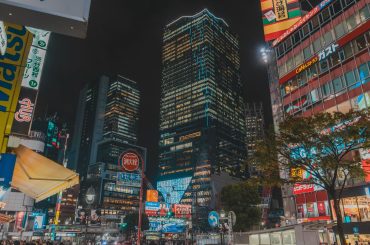
7. Shinjuku
Shinjuku is the busiest transport hub in the world. On weekdays it’s loud and dense but connected to more train lines than any other station in Tokyo, with corporate towers and the metropolitan government offices on the west side.
Shinjuku suits nomads who cross the city all week and want almost every line running through one station. It works if you don’t mind the noise.
- More train and subway lines than any other Tokyo station
- 24-hour coworking spaces and cafes, which are good for odd-hour calls
- Tokyo’s largest foreign population, with multilingual services widely available
- Busy and loud through most of the working day
Explore Tokyo’s Apartments and Neighborhoods
Every Anyplace apartment comes with a dedicated workspace and private high-speed internet. Open the Tokyo listings and filter by the neighborhood that fits your workday.
Choosing Your Tokyo Base
The best neighborhoods in Tokyo for remote workers depend on what your workweek looks like.
Shibuya offers more than coworking spaces and cafes. As a rapidly evolving business district and growing hub for tech, startups, and investors, it puts you close to some of Tokyo’s best restaurants, shopping, nightlife, and iconic parks like Yoyogi Park.
While central Shibuya can be busy, the streets become quieter as you move toward Yoyogi Park, Omotesando, and Daikanyama, offering a more relaxed but still hip environment.
For a quieter, more traditional or historic experience, consider neighborhoods like Yotsuya or Nihonbashi. Shibakoen is another option for those who prefer a quieter setting, particularly on call-heavy workdays.
Ultimately, your apartment matters too, if you work from home, so look for a space that supports your day-to-day routine as well as your location preferences.
Find Your Tokyo Apartment
Anyplace apartments are set up for remote work, with a full home office and private high-speed internet, rented furnished by the month on flexible terms from 30 days.